
As the weather turns cold in Truro, Nova Scotia, the roads get more challenging. Between snowfall, freezing rain, and icy patches, having the right tires can make all the difference. At Blaikies Dodge Chrysler Jeep Ltd, we want you and your family to drive safely and confidently all winter long. Let’s explore how winter tires differ from all-season tires and which might be the better choice for your driving needs.
What Makes Winter Tires Different

Winter tires are designed specifically for cold, snowy, and icy conditions. When temperatures fall below about seven degrees Celsius, the rubber in regular all-season tires starts to harden, which reduces grip. Winter tires stay softer and more flexible in these conditions, giving you better traction and braking power. They also feature deeper tread patterns that help clear snow and slush from under the tire, which improves contact with the road. Many winter tires are marked with the Three-Peak Mountain Snowflake symbol, which confirms they have been tested for severe snow performance.
How All-Season Tires Perform
All-season tires are meant to cover a wide range of conditions, offering a balanced approach for drivers who don’t want to switch tires throughout the year. They usually provide a quiet ride, a longer tread life, and good handling in warmer temperatures. In rain and light snow, they often perform well enough for everyday driving. The limitation comes when winter conditions in Truro get harsher. On icy roads or in heavy snow, all-season tires take longer to stop and don’t provide the same level of control as winter tires. Their rubber also stiffens in colder temperatures, reducing grip when you need it most.
Why Winter Tires Often Make Sense in Truro
Living in Truro means facing a mix of snow, ice, freezing rain, and cold nights. For many drivers, winter tires make sense simply because the conditions demand it. They shorten braking distances, improve stability when roads are slick, and make emergency stops safer. Even if you stick mainly to town driving, the temperature drop alone can affect tire performance, and that is where winter tires show their advantage. For drivers who head onto rural roads or highways, the added security of proper winter tires can make a big difference in confidence and peace of mind.
When All-Seasons Might Be Enough
That said, there are cases where all-season tires might work well enough. If you drive mostly within town on roads that are plowed quickly and you only experience mild winter conditions, then all-seasons could be sufficient. Some drivers prefer not to switch tires each season, and in those cases, choosing high-quality all-season or all-weather tires with the snowflake symbol can be a good compromise. Just keep in mind that performance will not match dedicated winter tires once conditions become more severe.
Getting the Most from Your Tires
No matter which option you choose, maintenance is important. Winter tires need to be installed in a full set of four to ensure balanced handling. Tread depth also plays a big role, since worn tires lose effectiveness quickly in snow and slush. Tire pressure is another factor worth monitoring, as cold weather naturally reduces air pressure and can affect grip and stability. Taking care of these details will help you get the best performance and safety out of your tires.
Choosing What Works for You
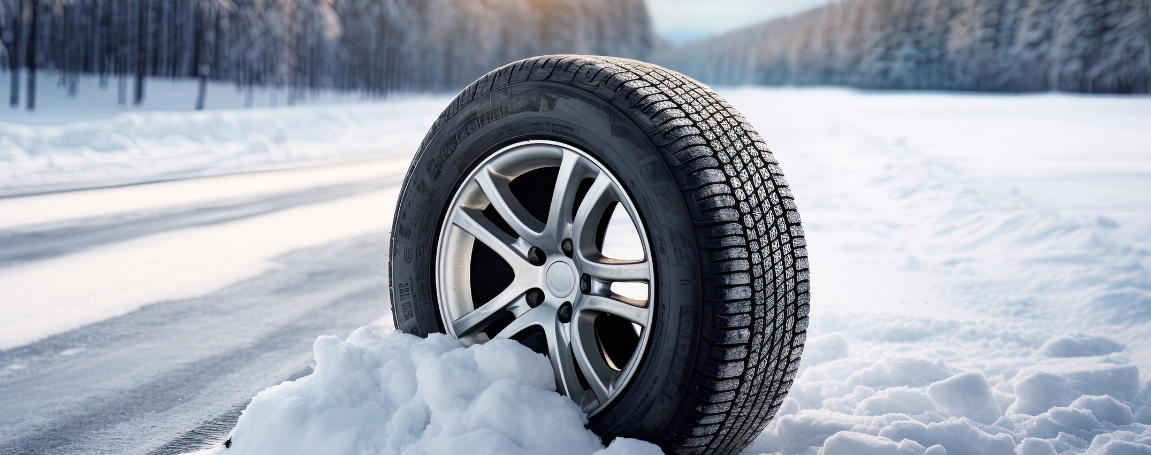
In the end, the decision between winter tires and all-season tires depends on your driving habits and the conditions you face most often. For many Truro drivers, winter tires are the safer bet, offering stronger traction, shorter stopping distances, and more control when the weather is at its worst. If you stick to well-maintained city streets or experience milder conditions, all-season tires may still meet your needs. Visit us today at Blaikies Dodge Chrysler in Truro, NS, and get a consultation or get your tires replaced to more suitable needs.